(eat two pieces of cake for me! :) )
Last weekend Hugo and I accompanied a group of people on two farm tours in Tansey and Nanango. The first has certified-organic, free range, egg-laying hens. A very *critical* detail we learned was that, while there are several other chook farms in Southeast Queensland that have these certifications as well, the farm in Tansey is only one of TWO where the hens spend most of their time outside of the coops. The chickens are given food and water outdoors and they spend their time scratching, pecking on the soil and fluffing themselves like any happy chicken would. And, all of their beaks are in tact.
The couple who run the farm, Lee-Anne and Cris, have about 630 hens and are working their way to 1500 total. They keep them laying for two years and then sell the chickens to smaller farmers, families, butchers, etc. Although the health of their animals was apparent, during a Q and A about what they feed them and how often they move them on their property, etc...I couldn't help blurt out the following question: "About how many birds would you say die in any given month?" Lee-Anne gave me a funny look and replied, "They don't die. They're healthy." She explained that they have lost maybe two hens over the course of several years they have been keeping chickens. At that moment, I was painfully aware that I (we) have accepted the conditions that the vast majority of the US egg-laying hens live in. We accept it because it makes for cheap (and dare I say less nutritious, chemical-loaded) eggs. Remember one of my first posts about the eggs here being so expensive? Well, I have officially eaten my words, dear friends. For the most part, Hugo and I had stopped buying eggs altogether. Now that we visited this farm and met the farmers and the way they provide for the animals, I am more than willing to pay for their eggs and feel completely comfortable eating them.
After asking about the construction of the chicken coops, Lee-Anne opened the door so that we could see inside where they sleep. There were a few chickens, calmly resting inside. As she began answering all of our many questions, one of the chickens began laying an egg directly in front of us. Lee-Anne put her hand gently against the chook so as to "catch" the egg. Without missing a beat, I asked if I could hold it. To my surprise, it was hard. I could have sworn that I read they are soft when they are laid and then they harden over the course of a minute. (Could that be snake eggs? Blushing...)


After we said our farewells, we continued to a Dragonfruit farm in Nanago. Dragonfruit, or Pitaya look like this:

Generally, the flesh of this tropical fruit is either white or pink. They are quite an interesting plant and have enormous, white flowers that only open for the course of two days...so if helpful insects aren't around or are moving too slowly during that short window, you hand pollinate them to ensure it will yield the delicious fruit (which tastes a bit like kiwi and watermelon smushed together).
Bernice, the owner of the small, 4 acre farm, was a great story teller and tour guide. She sets a real example for us in that she moved from Victoria to Queensland, noticed something strange growing in her front yard, studied a bit about the fruit, saw that they started showing up in grocery stores (imported from Vietnam) and thought "mine taste a lot better than that!" She started the Pataya farm and has turned it into a real business and tourist attraction.
She also grows Prickly Pear, but that will have to be for another post.


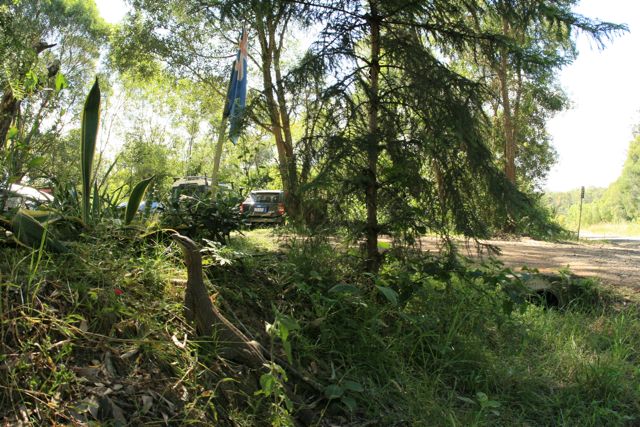
Biggest lizard I have seen thus far:
After the tour and a delicious dinner, we camped out amongst the dragonfruit, under this incredible canopy of stars...

Thanks for the great photo, Hugo :)


